Cybercriminals Move in Minutes. The Industry Still Responds in Days
The cybersecurity industry has become exceptionally good at detecting threats, but far less consistent at disrupting the infrastructure that enables them. As cybercriminals automate phishing, malware distribution, and fraudulent online services at unprecedented speed, abuse reporting and escalation processes often remain fragmented, manual, and slow. It's time to rethink how the industry collaborates to reduce cyber-enabled harm.
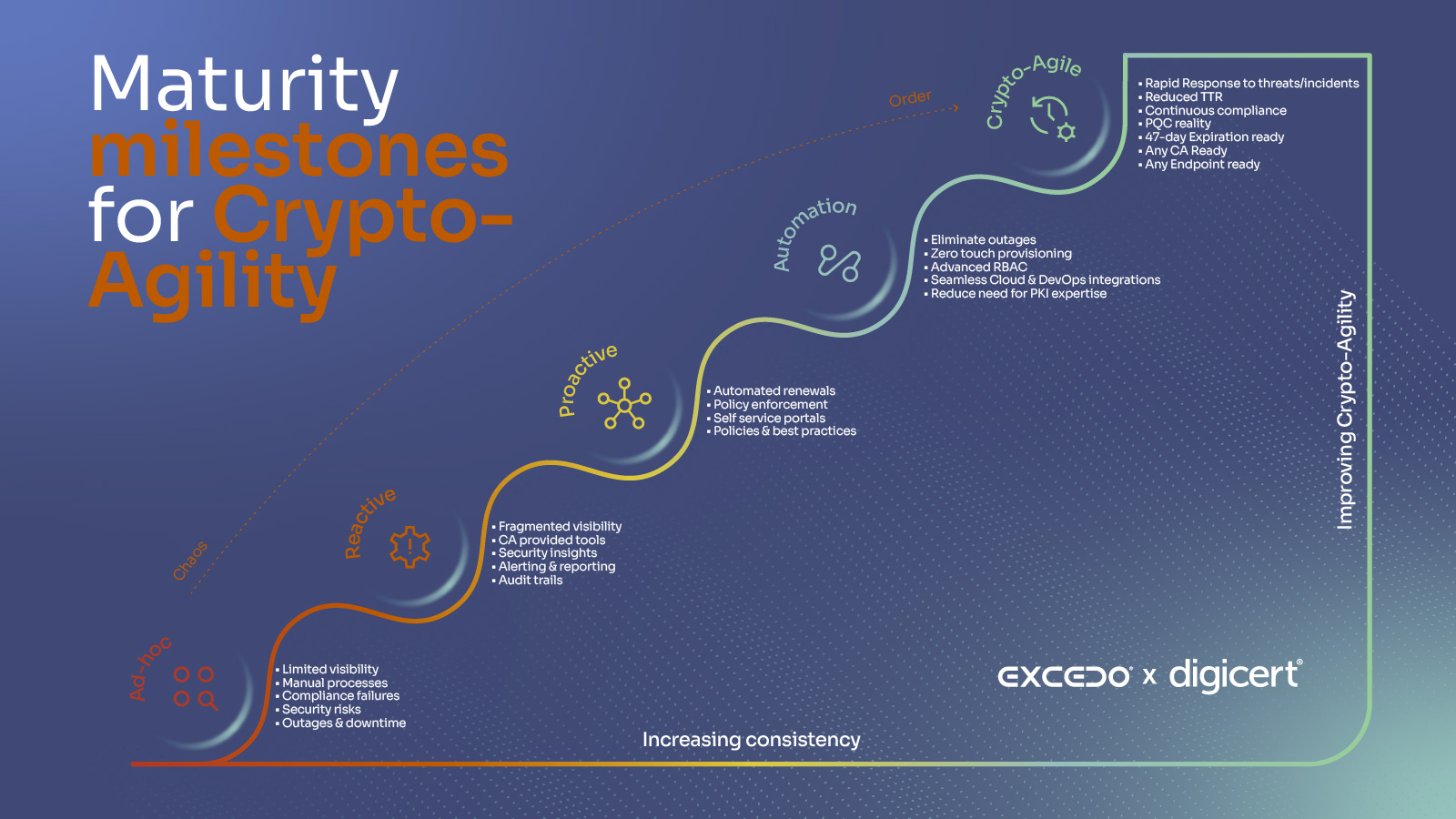
From PKI to Crypto-Agility: Building a Maturity Model for Digital Trust
Digital transformation has dramatically increased the number of identities organizations must secure - users, devices, applications, APIs, and workloads. At the heart of this trust ecosystem lies Public Key Infrastructure (PKI). But PKI alone is no longer enough. As highlighted in Excedo’s perspective on digital trust, certificate automation has become a business imperative, not just an IT improvement. With certificate lifespans shrinking and threats evolving rapidly, organizations must move beyond managing certificates to becoming crypto-agile. This blog explores what crypto-agility means, why it matters, and how organizations can evolve through a structured maturity journey.

Digital Trust Starts with PKI: Why Certificate Automation Is Now a Business Imperative
Digital trust underpins every modern business interaction, from customer-facing services to internal systems and partner integrations. At the core of this trust lies Public Key Infrastructure (PKI) and the certificates that secure communication and verify identities. Yet, as digital environments grow more complex and certificate lifecycles continue to shrink, many organizations still rely on manual management processes. This creates hidden risks that can lead to unexpected outages, security gaps, and operational disruption. For business leaders, this is no longer just a technical concern - it is a matter of resilience, revenue protection, and maintaining customer trust. Automation is rapidly becoming essential to gaining control, reducing risk, and ensuring continuous digital operations.
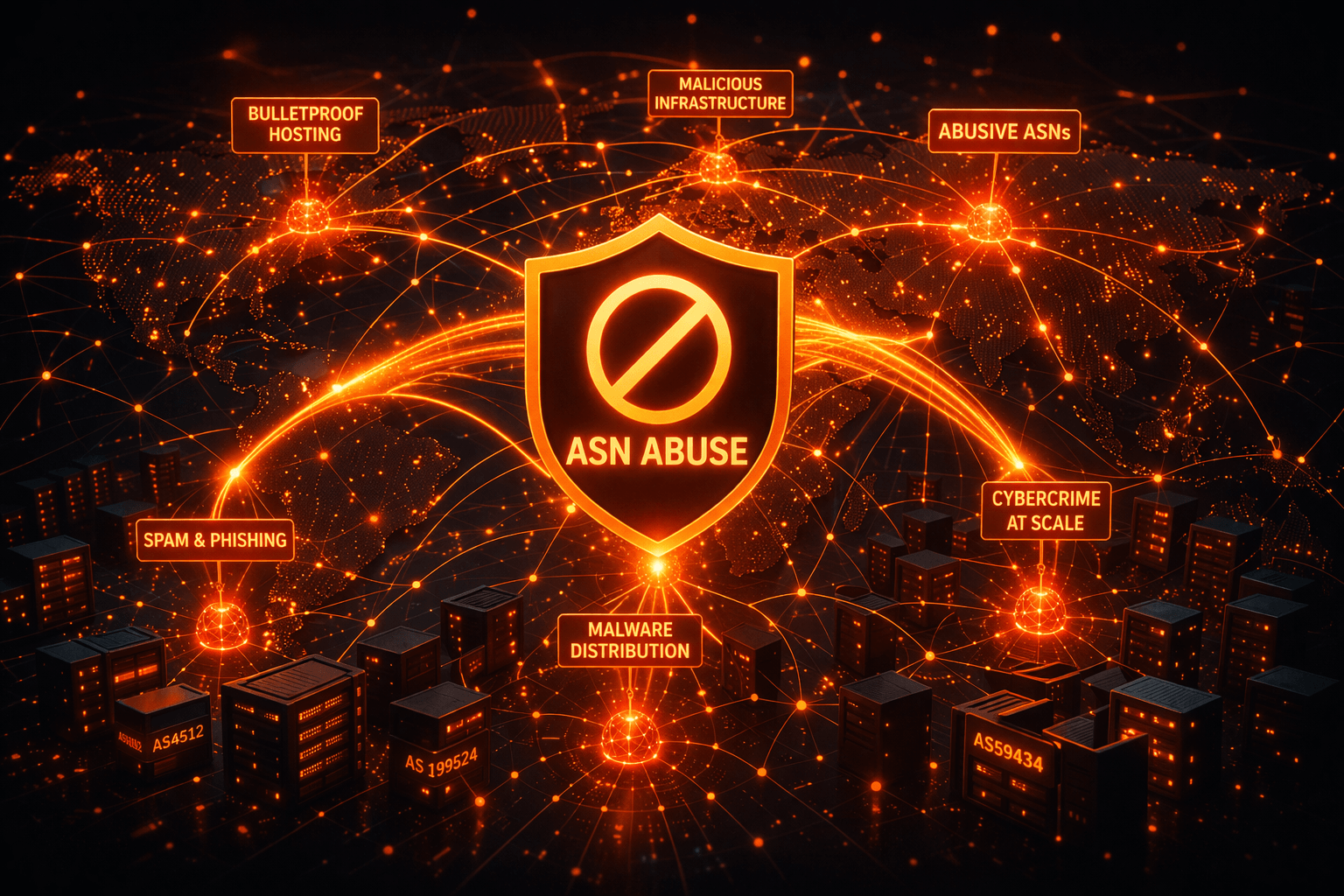
Disruption Beats Registration: How £1 UK Companies Enable ASN Abuse at Scale
Cybercrime does not scale because attackers are sophisticated. It scales because the infrastructure they depend on is easy to obtain, cheap to operate, and even easier to replace. The industry has already learned this lesson at the domain level. Weak identity controls enabled large-scale abuse. The response was clear: blocking alone does not work. Real impact comes from disrupting infrastructure at the source. Now the same pattern is repeating itself - one layer deeper. Autonomous System Numbers (ASNs) and IP address allocations are increasingly being used as the foundation for resilient cybercrime infrastructure. And the entry point is not technical, It is administrative.

The dark side of AI: How AI is enabling cybercrime
The impact of AI across industries is undeniable and it will only grow as AI develops further. However, just as AI has the potential to increase the efficiency of many processes and tasks, it can also increase the efficiency and scale of cyberattacks. To stay protected, security must adapt to these evolving threats.

How Rogue Domain Registrars enable Cybercrime
Domain registrars that allow domains to be registered without any kind of identification required make it very easy for cybercriminals to commit crimes in complete anonymity. Unfortunately, there are many of these rogue registrars around and they are endangering businesses and people by not implementing industry standards and best practices.

Navigating NIS2 and Article 28: The Importance of KYC for Domain Name Registrants
The NIS2 Directive places new requirements on domain name registrars to get accurate information on registrants in order to minimise the anonymity that enables cybercrime.

Making the Internet a Safer Place for Businesses and People
Excedo's mission has always been to protect businesses and people online. This requires a holistic approach covering everything from email security and domain management to threat intelligence.

What you need to know about the NIS2 Directive in Sweden
The NIS2 Directive will raise digital security levels across the EU. Although its jurisdiction spans across borders, individual countries have a say in how the requirements will be implemented locally and if they want to go above and beyond the security baseline set by NIS2.

What is a DDoS Attack?
DDoS (Distributed Denial of Service) attacks threaten the availability of essential services and systems worldwide. The first step to protection is to understand what these attacks look like and what vulnerabilities they exploit.

Corporate Address
Jan Stenbecks torg 17
164 40 KISTA
SWEDEN
Quick Links
Resources
About