PKI Under Pressure: Why 2026 Is the Tipping Point for Modernization
Digital trust is becoming more important at the exact moment it is becoming harder to manage. As organisations expand their use of cloud services, machine identities, connected devices and AI, the number of certificates and cryptographic dependencies continues to grow. At the same time, shorter certificate lifecycles are leaving less room for manual processes and fragmented ownership.

Cybercriminals Move in Minutes. The Industry Still Responds in Days
The cybersecurity industry has become exceptionally good at detecting threats, but far less consistent at disrupting the infrastructure that enables them. As cybercriminals automate phishing, malware distribution, and fraudulent online services at unprecedented speed, abuse reporting and escalation processes often remain fragmented, manual, and slow. It's time to rethink how the industry collaborates to reduce cyber-enabled harm.
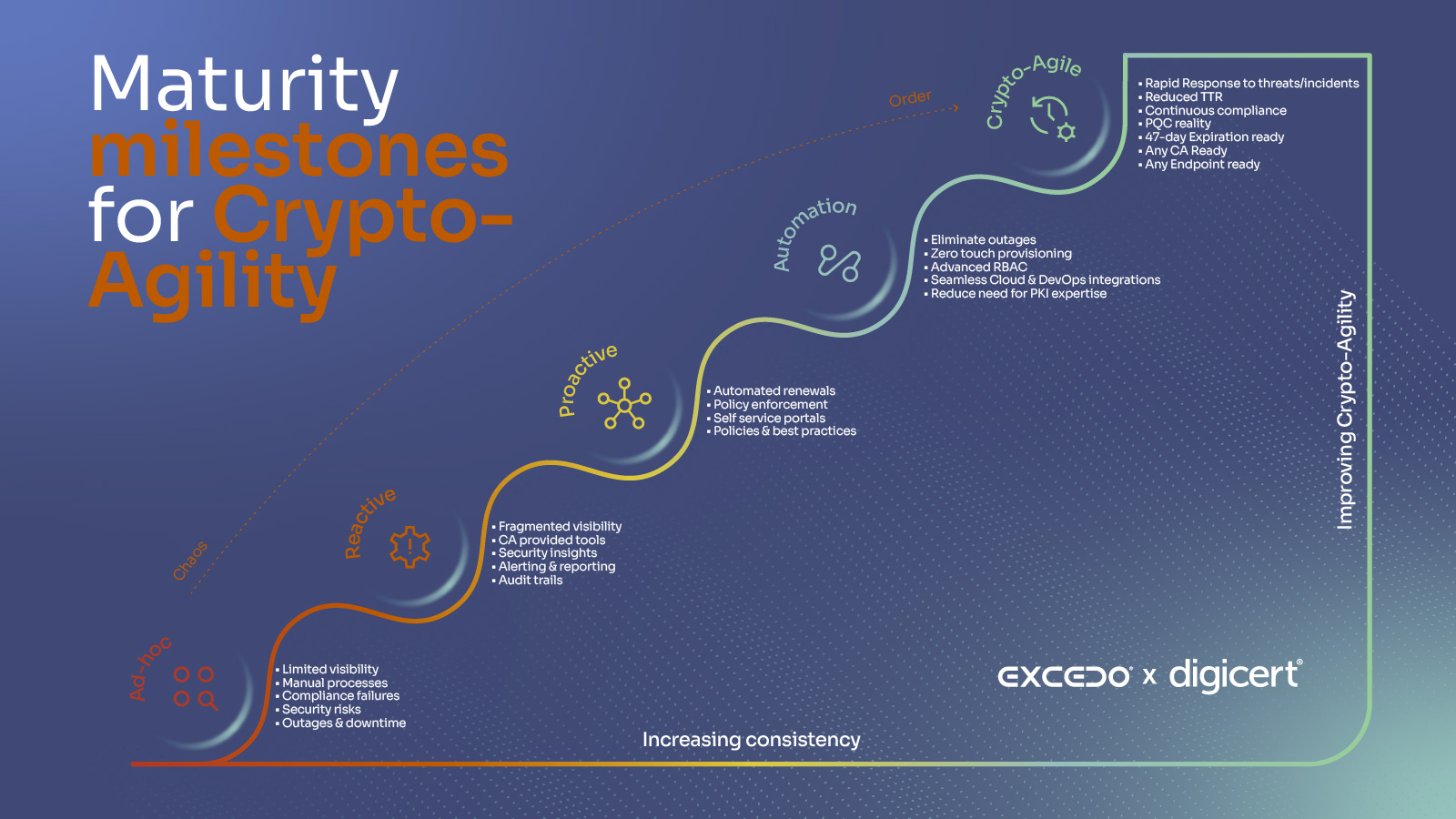
From PKI to Crypto-Agility: Building a Maturity Model for Digital Trust
Digital transformation has dramatically increased the number of identities organizations must secure - users, devices, applications, APIs, and workloads. At the heart of this trust ecosystem lies Public Key Infrastructure (PKI). But PKI alone is no longer enough. As highlighted in Excedo’s perspective on digital trust, certificate automation has become a business imperative, not just an IT improvement. With certificate lifespans shrinking and threats evolving rapidly, organizations must move beyond managing certificates to becoming crypto-agile. This blog explores what crypto-agility means, why it matters, and how organizations can evolve through a structured maturity journey.
Digital Trust Starts with PKI: Why Certificate Automation Is Now a Business Imperative
Digital trust underpins every modern business interaction, from customer-facing services to internal systems and partner integrations. At the core of this trust lies Public Key Infrastructure (PKI) and the certificates that secure communication and verify identities. Yet, as digital environments grow more complex and certificate lifecycles continue to shrink, many organizations still rely on manual management processes. This creates hidden risks that can lead to unexpected outages, security gaps, and operational disruption. For business leaders, this is no longer just a technical concern - it is a matter of resilience, revenue protection, and maintaining customer trust. Automation is rapidly becoming essential to gaining control, reducing risk, and ensuring continuous digital operations.
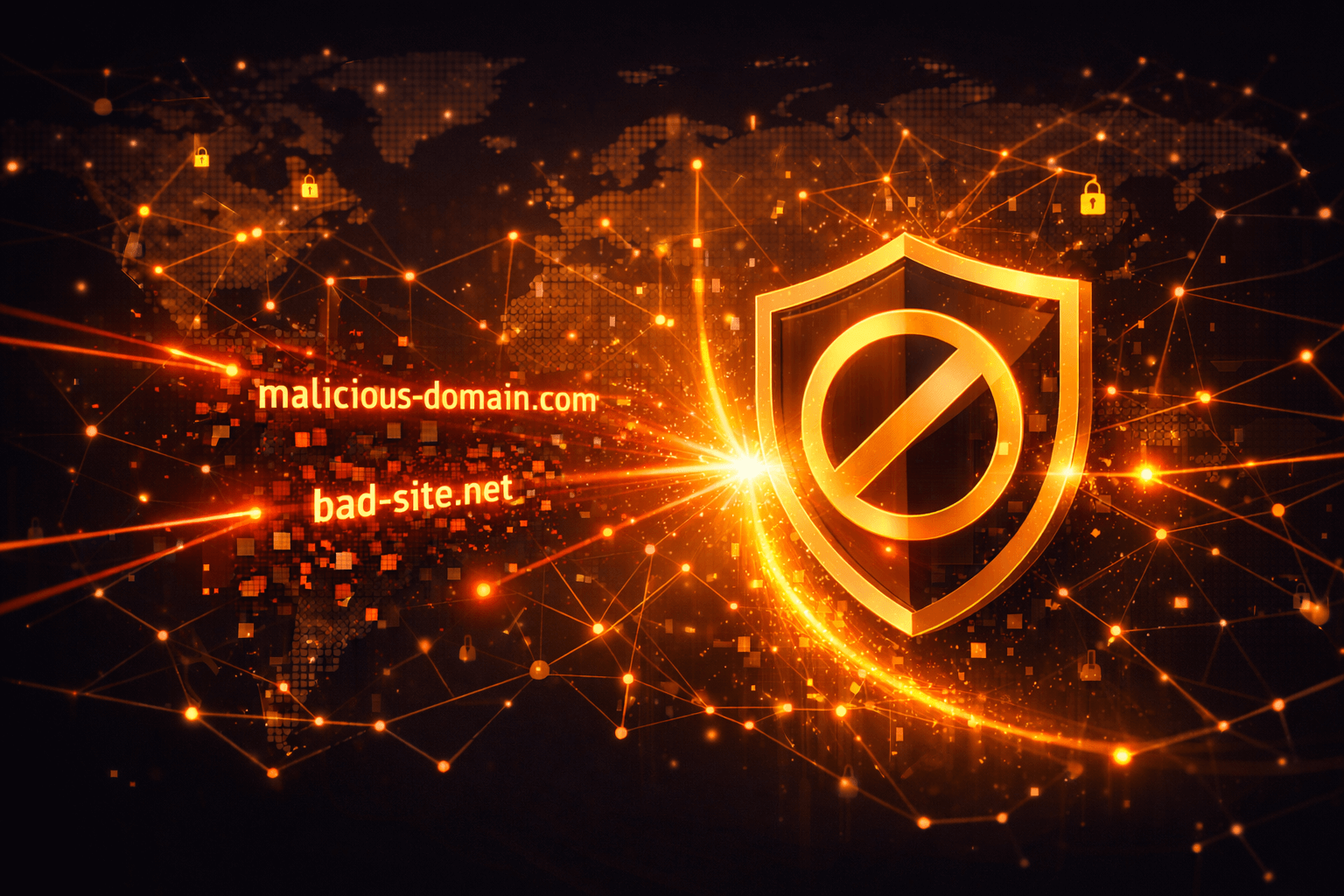
Disruption beats listing: Why domain takedowns and enforcement stop cybercrime at the source
Phishing and domain-enabled fraud are not “edge cases” in today’s threat landscape - they are a primary entry point. reports that phishing remains the dominant initial intrusion vector in Europe, accounting for 60% of cases in the reporting period covered by the ENISA Threat Landscape 2025. Against that backdrop, most organisations still rely heavily on passive controls: email filtering, URL reputation checks, and third‑party abuse lists. These controls matter - but they do not end the threat. They flag malicious infrastructure; they do not remove it.
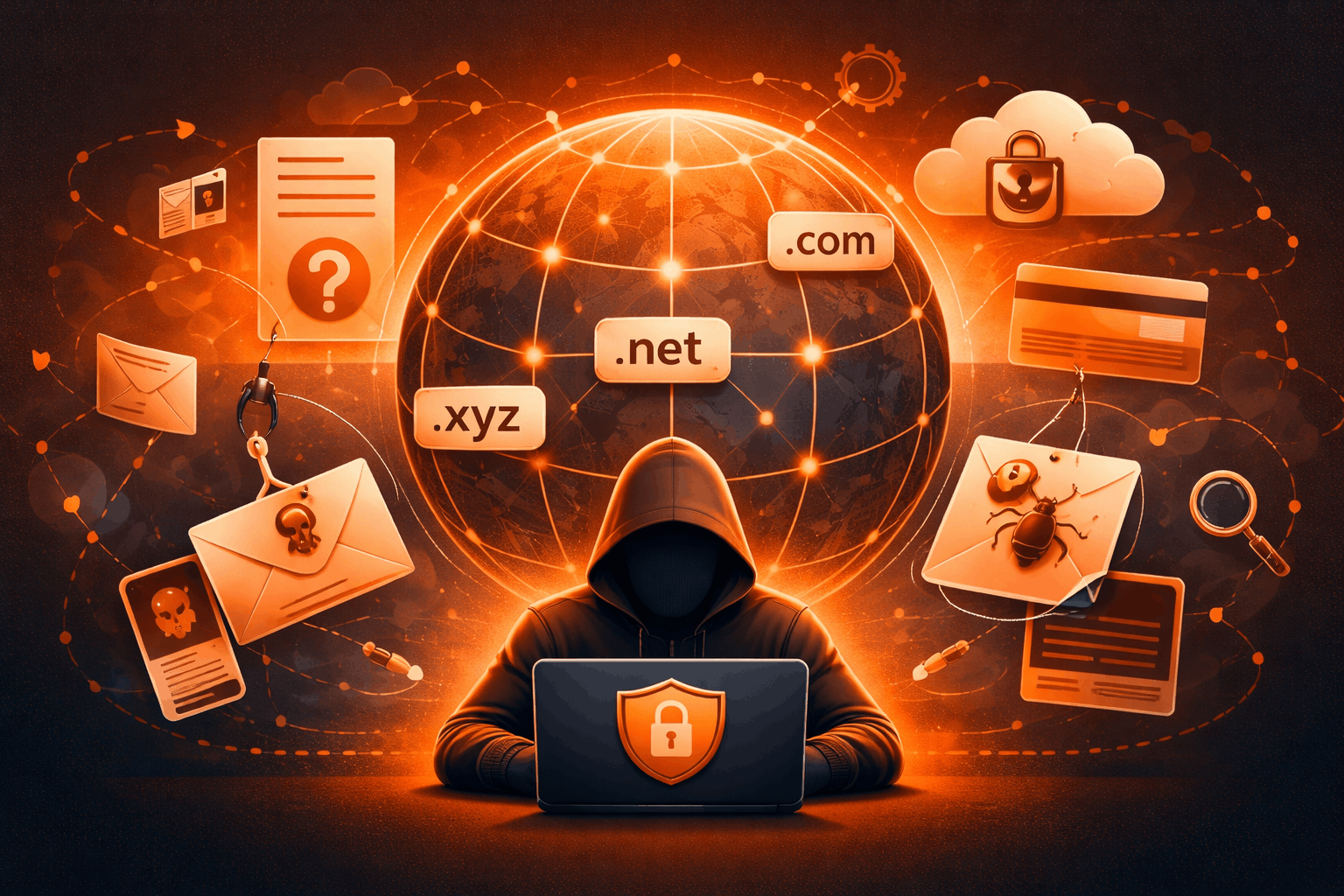
Anonymous Domain Registration Is Fuelling Cybercrime - And the Industry Knows It
Phishing, fraud, malware, and brand impersonation do not scale because attackers are especially clever - they scale because the internet makes it cheap and anonymous to stand up new infrastructure. At the centre of that problem sits domain registration. If domains can be registered globally with minimal identity verification, cybercrime will continue to industrialize faster than defenders can respond. This article examines why anonymous registration has become one of the internet’s most powerful abuse enablers - and what would change if registrars worldwide treated identity verification as a security control, not a formality.

Registrars Gone Rogue: NIS2, KYC, and Cross-Border Takedowns in 2025
Cybercrime is Booming: The past year has seen an unprecedented surge in cybercrime activity, much of it underpinned by domain name abuse. The total number of malware, phishing, and spam attacks grew by 54% year-over-year to reach 16.3 million incidents, with threat actors weaponizing an estimated 8.6 million unique domain names for these attacks.

Enterprise DNSSEC: A Comprehensive Guide to Securing Large Domain Portfolios
DNSSEC is an essential feature for ensuring the integrity and security of your online presence. Without it, you expose your users to fraud and risk your organisation’s reputation. However, implementing DNSSEC can be complicated, especially for large domain portfolios with thousands of domains.

The Critical Importance of IP Asset Control and Brand Monitoring in the Digital Age
One of the biggest online vulnerabilities for organisations today is lack of control of their digital assets, which leaves the doors open for all kinds of abuse, including brand impersonation and domain takeovers. The consequences of this, both to brand reputation and finances, can be severe. But there is an easy way to prevent this - proper management.

How Rogue Domain Registrars enable Cybercrime
Domain registrars that allow domains to be registered without any kind of identification required make it very easy for cybercriminals to commit crimes in complete anonymity. Unfortunately, there are many of these rogue registrars around and they are endangering businesses and people by not implementing industry standards and best practices.
What is cybersquatting and how to protect yourself from it
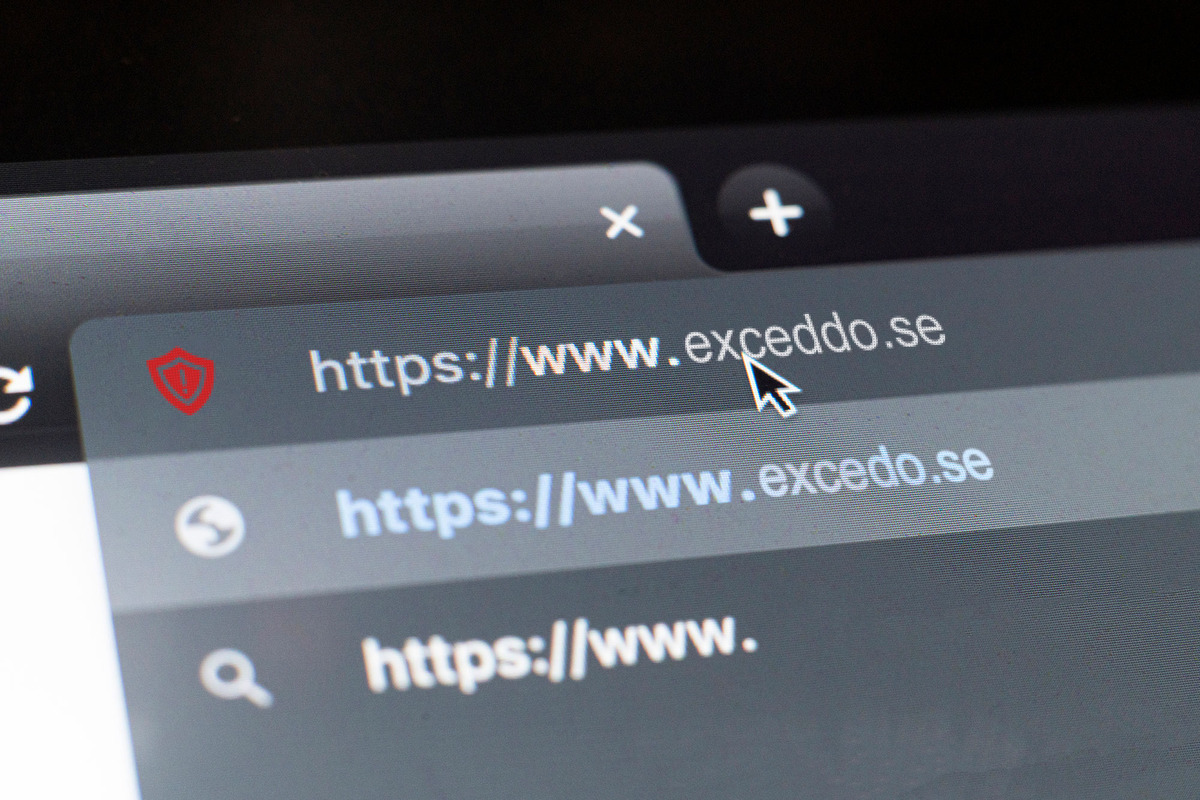
There are many reasons to secure and closely control your digital IP. An important reason is to protect your organization from online brand abuse, where malicious third parties use your brand name to commit fraud.

Corporate Address
Jan Stenbecks torg 17
164 40 KISTA
SWEDEN
Quick Links
Resources
About